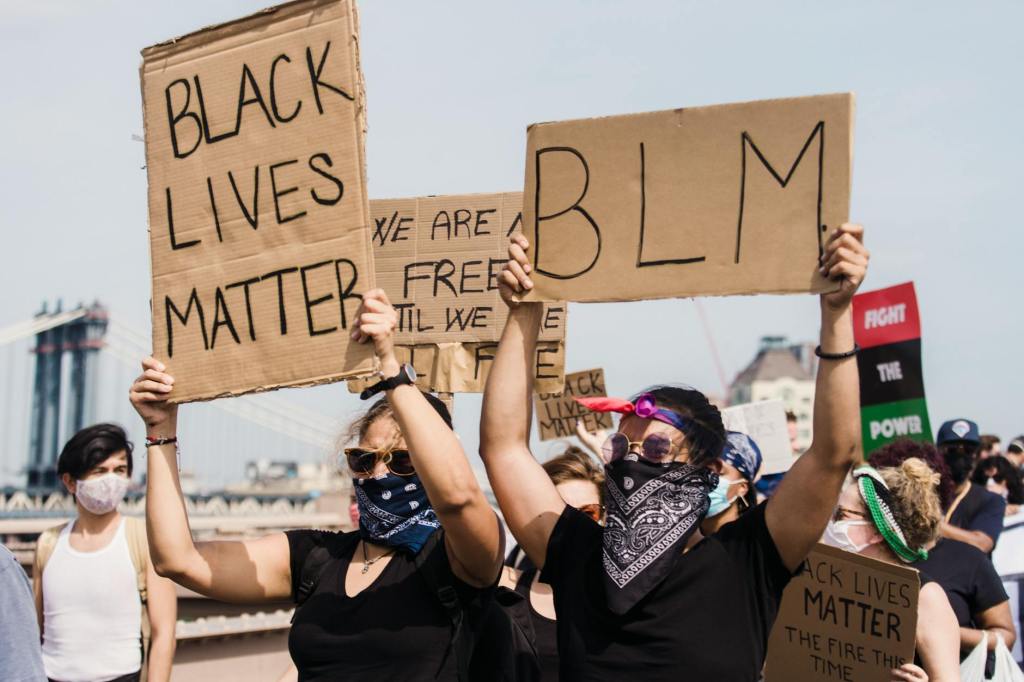
“The ultimate measure of a man is not where he stands in moments of comfort and convenience, but where he stands at times of challenge and controversy.”
Dr Martin Luther King Jr, Strength to Love, 1963.
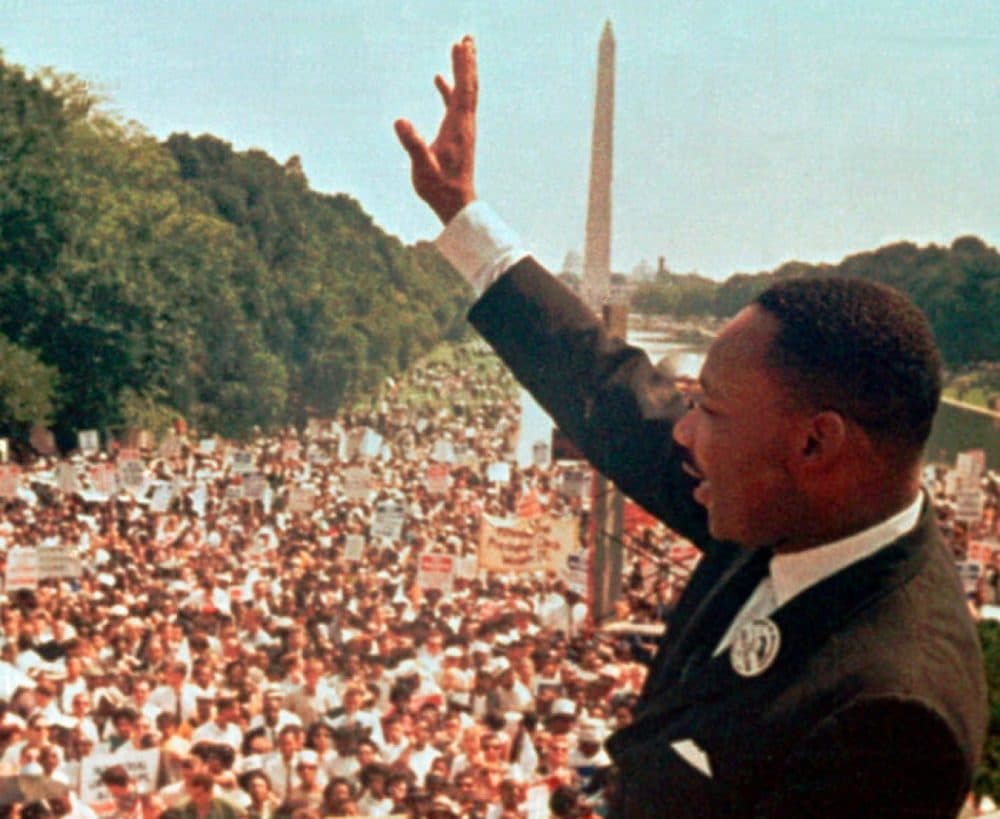
I don’t want to sound pious, but I have simply never understood racism. Don’t get me wrong, I am well aware of the psycho-social theories, and the historical ‘explanations’, but I am talking about emotionally. I just don’t get it, deep down, in my gut. Perhaps it was my upbringing; I was lucky enough to grow up in the sixties and seventies in a home which would now be considered ‘woke’. My parents, as left-wing internationalists, cared deeply about oppression in all its forms, and so I was aware of apartheid, the plight of the Palestinian people, the Jim Crow laws and segregation in the US, all of that, and its simple wrongness, from an early age. Perhaps that’s why. In fact, racist comments cause such a visceral reaction in me that I have to speak up and/or leave the room. But I am moved to try to understand it, and its history is a subject of passion and interest to me.This past week, Martin Luther King Jr Day has been marked in the US, and coincidentally, I watched a series on Netflix about the case of Sean K Lewis in Boston. He was a young man convicted in the early nineties of the murder of a police officer, who subsequently spent more than half of his life in jail for a crime he says he did not commit. The evidence was flimsy, the witness testimony questionable and some of the officers involved in the investigation were soon after prosecuted for corruption. It took three trials to get a conviction, but they eventually managed it.
I am sure many of you reading this are aware that there is a crisis of incarceration in the US, particularly of young black men. A few years before the time of Sean’s arrest, there had been an infamous case, when a white couple had apparently been car-jacked, and the pregnant wife shot in the head (she and her baby later died in hospital), the husband – Charles Stuart – left wounded, in a predominantly black area of Boston (in my ignorance, I had no idea Boston was so segregated. I suppose I assumed it was a more enlightened part of the country – how wrong I was). The husband called for help and described the assailant as a black man; thus began a massive hunt for the perpetrator of this horrific act. Little thought was given to the usual processes when a woman is killed. As we know all too well, the overwhelming majority of women are murdered by their partner or former partner. The few detectives who raised doubts about the husband early on were removed from the case, and every black man in Boston became a suspect.
After a few days, Stuart’s brother came forward to give a statement about his involvement, and soon after Charles committed suicide, rather than face the consequences of his actions. It later emerged that early on in the investigation the police had learned that Stuart had told a friend some months earlier that he wanted to kill his wife, but that line of investigation had simply been dropped. And now, again, despite this monumental cock-up, the BPD were determined to convict one or more young black men, who had no motive, of the execution-style murder of this policeman.
Now, I don’t want to retry this case here, but what truly angered me in watching the excellent series – called Trial 4 if you’re interested – was the attitudes of those retired policemen who took part. It was much the same in the HBO series I saw this weekend about the Stuart case – Murder in Boston: Roots, Rampage & Reckoning. The casual way in which they ruin a person’s life – in some cases, knowing damn well they are totally innocent – beggars belief. And then to act as if that was perfectly okay… it all speaks to the fundamentally racist, dehumanising attitudes of the society they grew up in.
Another cup of fuel to the fires of my righteous indignation this week was added by watching Killers of the Flower Moon. I admire Martin Scorcese as a filmmaker – not always as a critic – but I was concerned that his interpretation of this shameful episode (one of many) in the history of the US government’s relations with the Native American people would be overly violent. But I am pleased to say I was wrong. But then, Soldier Blue-level gore isn’t needed to shock; just the straightforward telling of the appalling exploitation of a people by another, with the tacit, sometimes explicit approval of the authorities. A beautiful, heartbreaking and thought-provoking movie is the result, with fantastic central performances, particularly from Lily Gladstone.
I am not naive. I know these terrible attitudes did and do exist. Western culture is drenched in them, American culture is, let’s face it, based on them. And in fact, they seem to occur in societies all across the globe. But the day they stop making my blood boil is the day I might as well die. Because the belittling of a life – any life – is just plain wrong.
Do I have an answer? I know that children aren’t born hating others for the colour of their skin, or for any other differences, come to that. As the song in South Pacific says, ‘you have to be carefully taught’. If only more parents could bring up their kids as mine did me, perhaps that would be a good start.
https://www.netflix.com/title/80202347 Trial 4
https://www.hbo.com/murder-in-boston-roots-rampage-and-reckoning





 La Vue du Maine